How to Find a Profitable Fix-and-Flip Property
You find a house with an outdated kitchen, worn flooring, and an overgrown yard. At first glance, it may look like a property most buyers would avoid. But with the right purchase price and renovation plan, it could become a profitable real estate investment.
That possibility is what makes fix-and-flip properties so appealing. However, not every inexpensive or neglected home is a good deal. Learning how to find a profitable fix-and-flip property can help you avoid costly mistakes and focus on homes with real potential.
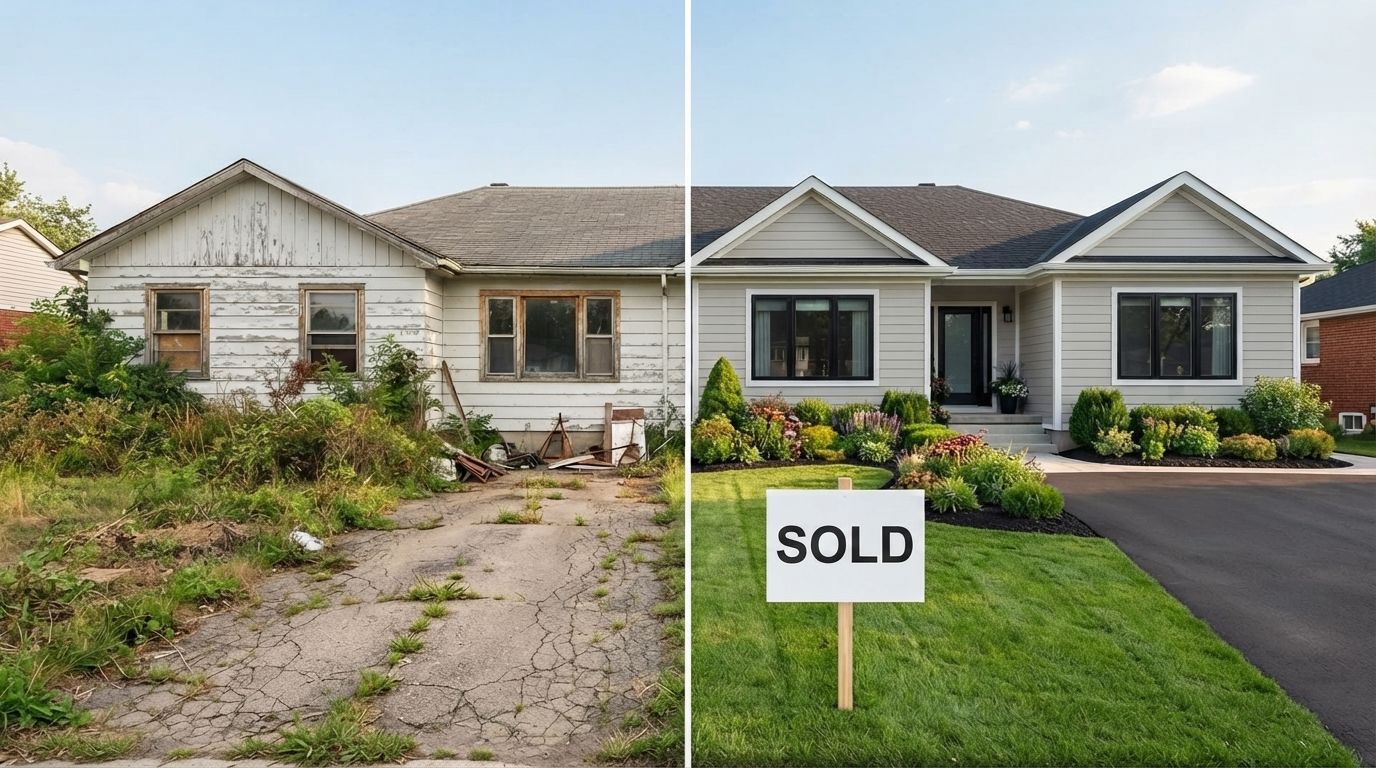
Look Beyond the Appearance
A property does not need to look perfect to be valuable. In fact, many successful flips begin with homes that need cosmetic improvements.
Peeling paint, outdated cabinets, old flooring, and an untidy yard may discourage traditional buyers. For an investor, these issues can create an opportunity because they are often easier and less expensive to fix than major structural problems.
The goal is to find a home that looks worse than it actually is.
Choose the Right Neighborhood
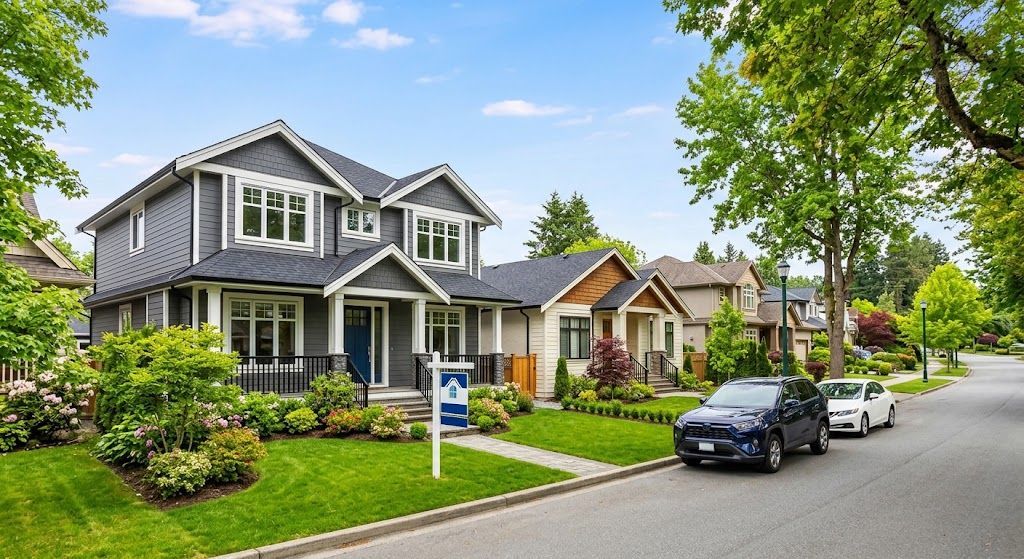
A beautifully renovated home can still be difficult to sell if it is in an area with limited buyer demand. Before purchasing a property, research the surrounding neighborhood.
Look for areas with:
- Recent home sales
- Well-maintained properties
- Access to schools, stores, and transportation
- Low numbers of vacant homes
- Signs of future development
- Strong demand from local buyers
Drive through the neighborhood at different times of day. This can help you understand traffic, noise, parking, and the overall feel of the area.
Study Comparable Home Sales
Comparable sales, often called “comps,” show what similar homes have recently sold for in the same neighborhood. These numbers can help you estimate the property's value after renovations are complete.
Compare homes with similar:
- Square footage
- Bedrooms and bathrooms
- Lot size
- Age and style
- Location
- Condition and upgrades
Avoid relying only on active listings. A seller can ask any price, but recently sold properties show what buyers were actually willing to pay.
Estimate the After-Repair Value
The after-repair value, or ARV, is the estimated price the home may sell for after renovations.
A realistic ARV is one of the most important parts of evaluating a fix-and-flip property. Overestimating the final selling price can make a project look more profitable than it truly is.
Use recent comparable sales, speak with a local real estate professional, and stay conservative when calculating the potential value.
Calculate Every Project Cost
The purchase price is only one part of the total investment. A profitable flip requires a complete and realistic budget.
Common costs may include:
- Renovation materials
- Contractor labor
- Property inspections
- Permits
- Insurance
- Loan interest
- Property taxes
- Utilities
- Landscaping
- Real estate commissions
- Closing costs
It is also wise to include a contingency fund. Unexpected problems can appear after renovation work begins, especially in older homes.
Be Careful With Major Repairs
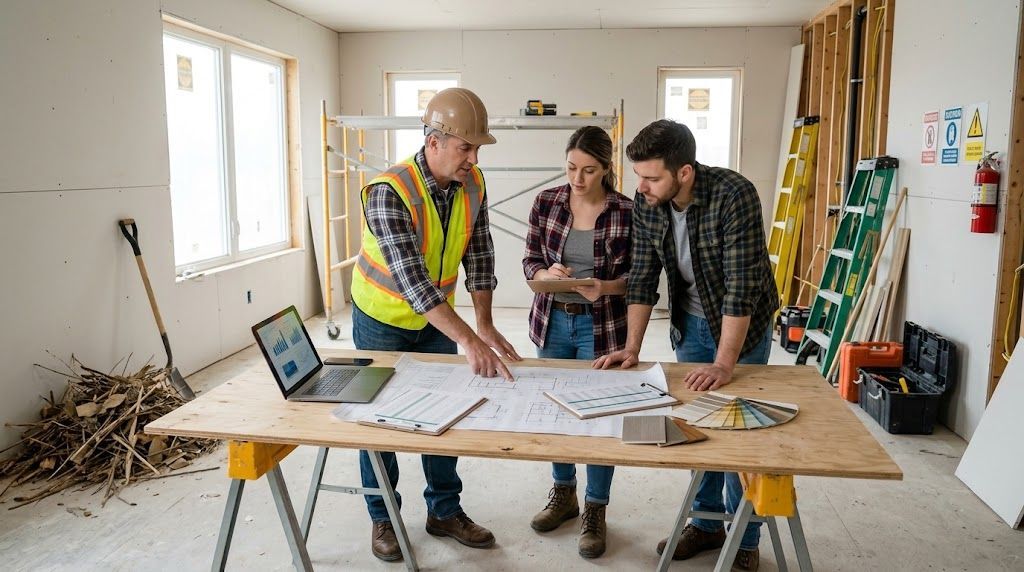
Some properties need more than paint, flooring, and updated fixtures. Foundation issues, damaged roofs, outdated electrical systems, plumbing problems, mold, or structural damage can quickly increase project costs.
These properties are not always bad investments, but they require accurate estimates and experienced professionals.
Before buying, schedule a thorough inspection and get written quotes for major repairs. Guessing can turn a promising investment into an expensive lesson.
Focus on Improvements Buyers Notice
The best renovations are not always the most expensive ones. Buyers often respond to homes that feel clean, bright, functional, and move-in ready.
High-impact improvements may include:
- Fresh interior paint
- Updated lighting
- Modern flooring
- Improved curb appeal
- Kitchen cabinet upgrades
- New countertops
- Bathroom updates
- Clean landscaping
Choose finishes that appeal to a wide range of buyers. Personal or highly customized design choices may limit the home's resale appeal.
Avoid Falling in Love With the Property
Real estate investing requires emotional discipline. A property may have beautiful architecture, a large yard, or an exciting renovation potential, but the numbers still need to make sense.
Set a maximum purchase price before making an offer. If the seller will not accept a price that supports your budget and profit goals, be prepared to walk away.
There will always be another property. Protecting your investment is more important than winning one deal.
Plan for Delays
Renovation projects rarely go exactly as planned. Materials may arrive late, contractors may become unavailable, inspections may take longer than expected, or new repairs may be discovered.
Create a realistic timeline and leave room for delays. Every additional month can increase loan interest, taxes, insurance, and utility expenses.
The faster a project is completed correctly, the sooner the property can be listed for sale.
Know Your Target Buyer
Think about who is most likely to purchase the renovated home.
A starter home may appeal to first-time buyers. A larger property may attract growing families. A home near a business district may appeal to professionals who want a shorter commute.
Understanding the target buyer can guide your renovation choices, pricing strategy, and marketing plan.
Start With a Manageable Project
A complete renovation may look exciting on television, but it can be overwhelming for a first-time investor. Starting with a smaller project can help you learn the process while limiting risk.
Look for homes that mainly need cosmetic improvements rather than major structural work. A manageable first project can help you build confidence, develop reliable contractor relationships, and better understand renovation costs.
The Best Deal Is Based on the Numbers
Finding a profitable fix-and-flip property is not about choosing the cheapest home on the market. It is about finding a property with the right combination of purchase price, repair costs, location, buyer demand, and resale value.
Careful research can help you identify opportunities that other buyers overlook. By studying the neighborhood, reviewing comparable sales, estimating expenses, and preparing for unexpected costs, you can make smarter investment decisions.
Ready to Find Your Next Real Estate Opportunity?
The right fix-and-flip property can offer strong investment potential when it is supported by accurate numbers and a clear renovation plan. Contact our team to learn more about available properties and real estate investment opportunities.