House Flipping for Beginners: A Step-by-Step Guide to Your First Flip
House flipping can be an exciting way to enter the real estate market and build investment experience. However, buying a property, renovating it, and selling it for a profit requires more than finding an inexpensive house. Successful investments involve careful planning, market research, budgeting, and informed decision-making.
For those exploring house flipping for beginners, understanding the process before purchasing a property can help reduce financial risks and avoid expensive mistakes. From identifying promising opportunities to managing renovations and preparing a property for resale, every step plays an important role in the outcome.
Whether you're interested in generating additional income or building a long-term real estate investment business, this guide explains how to flip houses and prepare for your first investment.
What Is House Flipping and How Does It Work?
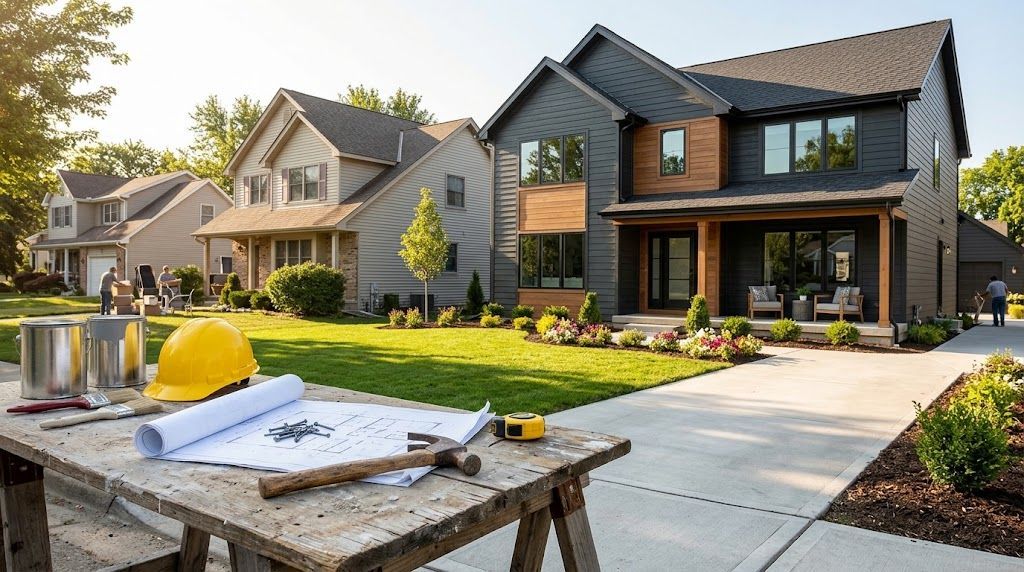
House flipping is a real estate investment strategy that involves purchasing a property, making improvements when necessary, and reselling it with the goal of earning a profit.
Investors typically search for undervalued properties or homes that need repairs. After purchasing a suitable property, they complete renovations designed to increase its market value before listing it for sale.
Understanding the House Flipping Process
A typical fix-and-flip investment involves several stages:
- Researching local real estate markets.
- Finding properties with investment potential.
- Estimating purchase and renovation expenses.
- Securing financing and purchasing the property.
- Completing repairs and improvements.
- Marketing and selling the renovated home.
Although the process sounds straightforward, successful house flipping requires an understanding of property values, construction costs, financing expenses, and buyer demand.
For first-time investors, professional guidance can make these decisions easier to navigate.
Step 1: Learn the Basics of Real Estate Investing
Before purchasing your first property, take time to understand how real estate investing works.
Learning about property valuation, financing options, renovation expenses, and resale strategies will help you evaluate opportunities more confidently.
Build Your Real Estate Investment Knowledge
Beginners should become familiar with important investment concepts, including:
- After-Repair Value (ARV): The estimated market value of a property after renovations are completed.
- Purchase Price: The amount paid to acquire the property.
- Renovation Costs: Expenses associated with repairs, materials, labor, and property improvements.
- Holding Costs: Ongoing expenses such as insurance, utilities, property taxes, and financing costs.
- Selling Costs: Expenses related to listing, marketing, and completing the property sale.
- Return on Investment (ROI): A measure of investment profitability relative to the amount invested.
Understanding these concepts provides a foundation for evaluating potential house flipping investments.
Get Guidance Before Making Your First Investment
Learning directly from experienced real estate professionals can help beginners understand common challenges and investment strategies.
Our Real Estate Flipping Mentorship/Coaching service is designed to help investors develop practical knowledge, evaluate opportunities, and approach their first flip with greater confidence.
Step 2: Research the Local Real Estate Market
Choosing the right location is one of the most important parts of flipping houses for profit.
A property may be available at an attractive purchase price, but that does not automatically make it a profitable investment. Local housing demand, comparable sales, neighborhood conditions, and renovation expectations all influence resale potential.
What to Look for in a Profitable Market
When researching potential investment areas, consider:
- Recent selling prices of comparable homes.
- Average time properties spend on the market.
- Neighborhood conditions and buyer demand.
- Property values before and after renovations.
- Nearby amenities, schools, and transportation.
- Local renovation expectations and housing trends.
Understanding these factors can help investors identify locations where renovated properties may attract interested buyers.
Analyze the Numbers Before Buying
Evaluating a potential investment requires examining both current market conditions and projected expenses.
Our Market Analysis & Underwriting service helps investors assess property values, estimate potential returns, and understand financial considerations before moving forward with a purchase.
Careful research can prevent beginners from investing in properties with limited resale potential or unrealistic profit expectations.
Step 3: Find the Right Property to Flip
Finding houses to flip is often one of the biggest challenges for new investors.
The goal is to identify properties that can be purchased at a reasonable price and improved without exceeding a realistic investment budget.
Where Can Beginners Find Houses to Flip?
Potential opportunities may come from several sources:
- Online real estate listings.
- Properties requiring cosmetic repairs.
- Estate sales and inherited properties.
- Real estate auctions.
- Distressed property listings.
- Local real estate agents and investor networks.
Each property should be evaluated individually to determine whether its condition, price, and potential resale value align with your investment goals.
Choose a Manageable First Project
For first-time house flipping, properties requiring cosmetic improvements may be easier to manage than homes with significant structural or mechanical problems.
Projects involving painting, flooring, fixtures, and minor kitchen updates can offer a more manageable introduction to renovation planning.
However, investors should still conduct appropriate inspections and verify repair estimates before purchasing.
Our Deal Sourcing/Property Acquisition service helps investors identify potential opportunities and navigate the property acquisition process.
Step 4: Create a Realistic House Flipping Budget
A detailed house flipping budget is essential for understanding whether an investment has the potential to generate a profit.
One common beginner mistake is focusing only on the purchase price and renovation costs while overlooking additional expenses.
Expenses to Include in Your Budget
Your investment budget should account for:
- Property purchase price.
- Inspection and due diligence expenses.
- Closing costs and applicable fees.
- Renovation materials and labor.
- Permits and required inspections.
- Property taxes and insurance.
- Utilities and maintenance.
- Financing and interest expenses.
- Real estate commissions and selling costs.
- Contingency funds for unexpected repairs.
The Consumer Financial Protection Bureau emphasizes the importance of accounting for costs beyond the purchase price when evaluating a property purchase.
The Consumer Financial Protection Bureau emphasizes the importance of accounting for costs beyond the purchase price when evaluating a property purchase.
Understand the 70% Rule in House Flipping
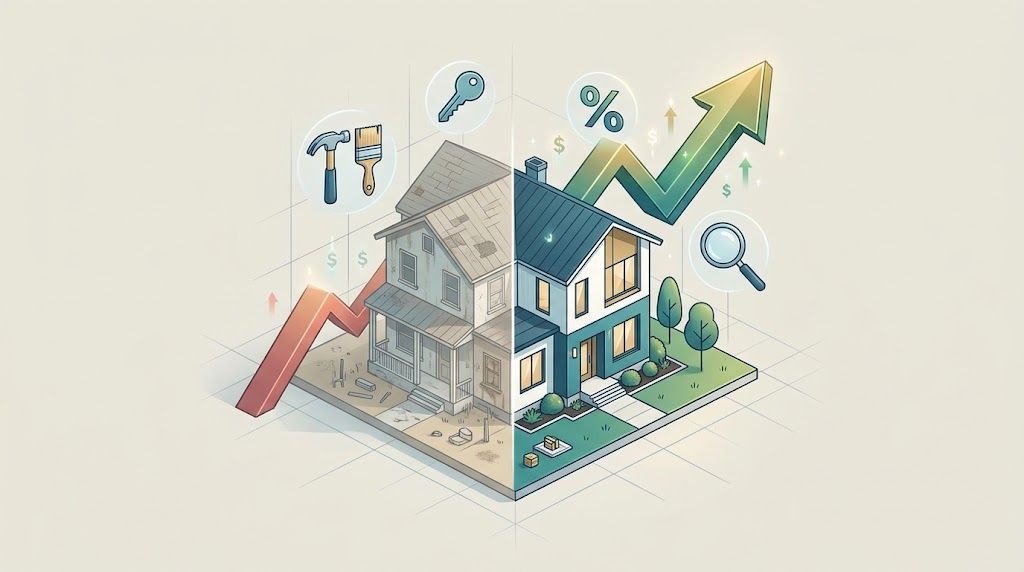
Some real estate investors use the 70% rule as an initial screening method when evaluating potential flips.
The basic formula is:
Maximum Purchase Price = (After-Repair Value × 70%) − Estimated Renovation Costs
For example, if a renovated property could sell for $300,000 and estimated repairs cost $50,000:
- After-Repair Value: $300,000
- 70% of ARV: $210,000
- Estimated Renovation Costs: $50,000
- Suggested Maximum Purchase Price: $160,000
This calculation is only a rough guideline. It does not guarantee profitability and should never replace a complete financial analysis.
Actual investment decisions must consider financing, holding costs, transaction expenses, market conditions, and the investor's desired return.
Step 5: Explore Financing Options for Your First Flip
Financing is another important consideration when learning how to start flipping houses.
Different investors use different funding strategies depending on their available capital, financial situation, and investment goals.
Common House Flipping Financing Options
Some financing approaches include:
- Personal Savings: Using available funds to purchase and renovate an investment property.
- Private Money Loans: Borrowing from private individuals or investment groups.
- Hard Money Loans: Short-term, asset-focused financing commonly used for real estate investments.
- Investment Partnerships: Working with partners who contribute funding or other resources.
- Specialized Investment Loans: Financing products designed for eligible property investors.
Each option has different qualification requirements, expenses, repayment terms, and financial risks.
Investors should compare interest rates, loan fees, timelines, and repayment obligations before choosing a financing strategy.
Consider Working With an Investment Partner
Access to capital can influence which opportunities investors are able to pursue.
Our Capital/Funding Partnership service provides an opportunity to explore potential funding arrangements and investment collaboration based on project needs and eligibility.
Having a clear financing strategy before making an offer can help prevent unnecessary delays and unexpected financial pressure.
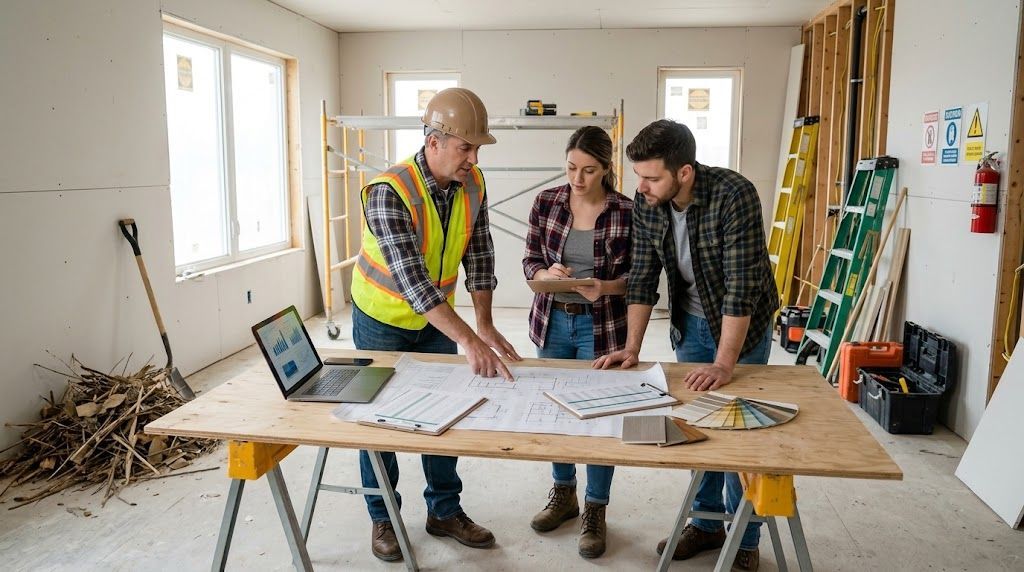
Step 6: Plan and Manage Property Renovations
Once a suitable property has been purchased, the next step is preparing it for resale.
The objective of a successful house flip is not necessarily to create the most expensive home in the neighborhood. Instead, investors should focus on improvements that appeal to buyers while staying within their renovation budget.
Prioritize High-Impact Home Improvements
Common renovation projects include:
- Interior and exterior painting.
- Kitchen cabinet and countertop updates.
- Bathroom fixture replacements.
- Flooring installation or refinishing.
- Lighting and hardware upgrades.
- Landscaping and curb appeal improvements.
- Necessary plumbing, electrical, and safety repairs.
Renovation priorities should reflect the property's condition and the expectations of buyers in the local market.
Keep Your Renovation Project on Schedule
Delays and unexpected construction expenses can reduce potential investment returns.
To maintain better control over the project:
- Create a detailed renovation scope.
- Obtain written estimates from qualified contractors.
- Establish a realistic project timeline.
- Verify permit and inspection requirements.
- Monitor expenses throughout construction.
- Inspect completed work before preparing the property for sale.
Our Renovation Project Management service helps investors coordinate renovation activities, monitor project progress, and work toward established budgets and timelines.
Organized renovation planning can improve efficiency and help investors avoid unnecessary expenses.
Step 7: Prepare Your Flipped House for Sale
After renovations are complete, the final stage of the house flipping process is preparing the property for potential buyers.
A well-presented home can create a stronger first impression and help buyers recognize the value of completed improvements.
Make Your Property Market-Ready
Before listing the renovated home:
- Complete a thorough cleaning.
- Address unfinished repairs.
- Improve landscaping and exterior appearance.
- Consider professional real estate photography.
- Stage important living areas when appropriate.
- Review comparable sales to establish a competitive asking price.
- Prepare documentation for completed work and required disclosures.
An effective marketing strategy should emphasize the property's condition, improvements, and features that appeal to local buyers.
Price Your Property Based on Market Conditions
Setting an unrealistic asking price can extend the time a property remains on the market.
A competitive listing price should reflect recent comparable sales, current demand, location, property condition, and available inventory.
The longer a property remains unsold, the more holding costs may accumulate. This makes an informed pricing strategy an important part of protecting investment returns.
Common House Flipping Mistakes Beginners Should Avoid
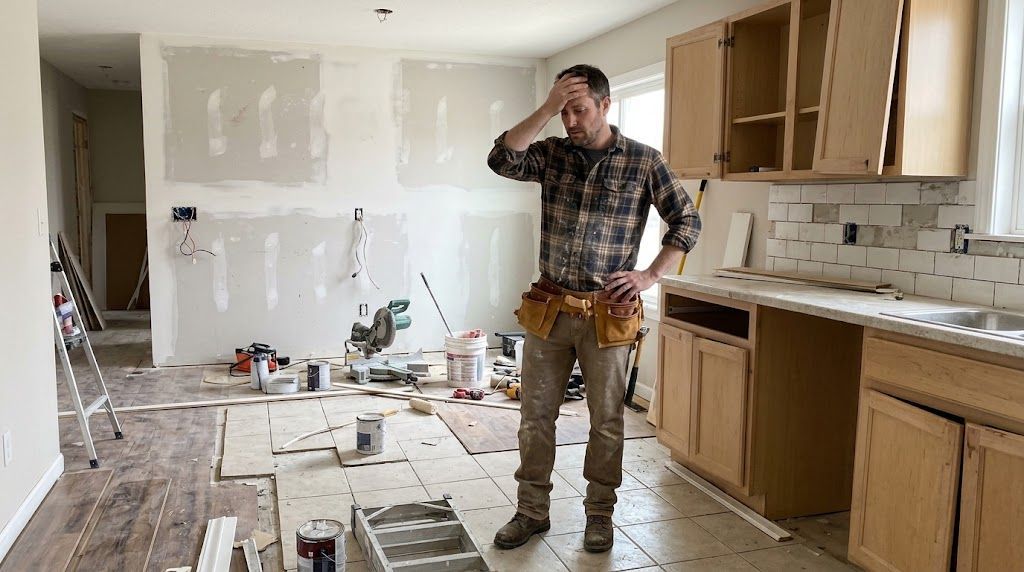
Even promising real estate investments can encounter difficulties without proper planning.
Understanding common house flipping mistakes can help investors make better decisions.
1. Underestimating Renovation Costs
Unexpected plumbing, roofing, electrical, or structural problems can increase the renovation budget.
A professional property inspection and appropriate contingency funds can help investors prepare for potential issues.
2. Overpaying for a Property
Purchasing a property above its investment value can significantly reduce potential returns.
Always compare the asking price against realistic renovation expenses and the estimated resale value.
3. Ignoring Holding Costs
Insurance, utilities, taxes, loan interest, and other ongoing expenses continue while the property is being renovated or marketed.
These costs should be included in every investment analysis.
4. Making Unnecessary Upgrades
High-end finishes do not always produce a corresponding increase in resale value.
Focus on improvements that align with neighborhood standards and buyer expectations.
5. Starting Without a Clear Investment Plan
Entering a project without established goals, financing arrangements, renovation estimates, or an exit strategy can create avoidable financial risks.
A structured investment plan helps guide decisions from acquisition through resale.
Is House Flipping a Good Investment for Beginners?
House flipping can be an appealing investment strategy for individuals interested in real estate, renovation, and property development.
However, profitability is never guaranteed.
First-time investors should consider their financial resources, risk tolerance, available time, and understanding of local housing markets before moving forward.
Who Should Consider House Flipping?
This investment strategy may appeal to:
- Individuals interested in starting a real estate investment business.
- Professionals seeking additional investment opportunities.
- Investors willing to learn about property acquisition and renovation.
- People comfortable managing financial risks and project timelines.
- Beginners interested in developing long-term real estate investing skills.
A successful first investment often begins with choosing a manageable project and building a knowledgeable support network.
Start Your Real Estate Investment Journey With Professional Support
Entering the real estate market for the first time can feel overwhelming, especially when balancing property research, financing decisions, renovation planning, and investment risks.
Having access to experienced guidance can help simplify the process and make important decisions easier to understand.
Our First-Time Investor Program is designed for individuals who want structured support as they explore their first real estate investment.
Whether you're evaluating potential properties or preparing to purchase your first flip, building a solid foundation can help you approach future opportunities with greater confidence.
Frequently Asked Questions About House Flipping for Beginners
Can You Start Flipping Houses With No Experience?
Yes, beginners can enter the house flipping market without previous renovation or real estate investment experience. However, learning investment fundamentals, working with qualified professionals, and developing a realistic financial plan are important before purchasing a property.
How Long Does It Take to Flip a House?
The timeline depends on the property's condition, renovation requirements, contractor availability, permitting, and local housing market. Some projects may take several months, while more extensive renovations can require considerably longer.
Do You Need a Real Estate License to Flip Houses?
Generally, investors purchasing and selling properties for their own accounts do not need a real estate agent's license solely to flip a house. However, licensing rules vary by jurisdiction and by the activities performed. Investors should verify applicable local requirements.
What Is the Biggest Risk of Flipping Houses?
Some of the biggest risks include unexpected renovation expenses, declining property values, financing difficulties, construction delays, and properties taking longer than anticipated to sell.
What Type of House Is Best for a First Flip?
Many beginners look for properties requiring manageable cosmetic improvements rather than extensive structural repairs. However, the best investment depends on the purchase price, renovation budget, local market, and potential resale value.
Ready to Start Your First House Flip? Schedule a Consultation Today!
House flipping for beginners becomes easier to understand when you have a clear investment strategy and knowledgeable professionals to help guide your decisions.
From finding potential investment properties and reviewing financial projections to coordinating renovations and exploring funding opportunities, our services are designed to support investors throughout the house flipping process.
Take the first step toward your real estate investment goals today.
Schedule a consultation to discuss your experience, investment objectives, and potential opportunities.
Call Us Today: (401) 316-7300
Let's discuss how you can prepare for your first house flip and build a stronger foundation for future real estate investments.