How to Find Profitable Houses to Flip in Today’s Real Estate Market
Finding a property to renovate is easy. Finding profitable houses to flip requires research, planning, and a strong understanding of the real estate market.
Successful investors know that house flipping is not just about buying a cheap property and making improvements. A profitable flip depends on finding the right opportunity, analyzing the numbers, controlling renovation costs, and creating a strategy that supports a strong return on investment.
Whether you are a first-time investor or an experienced house flipper looking to improve your process, understanding how to identify the right properties can help you make smarter investment decisions.
What Makes a House Profitable to Flip?
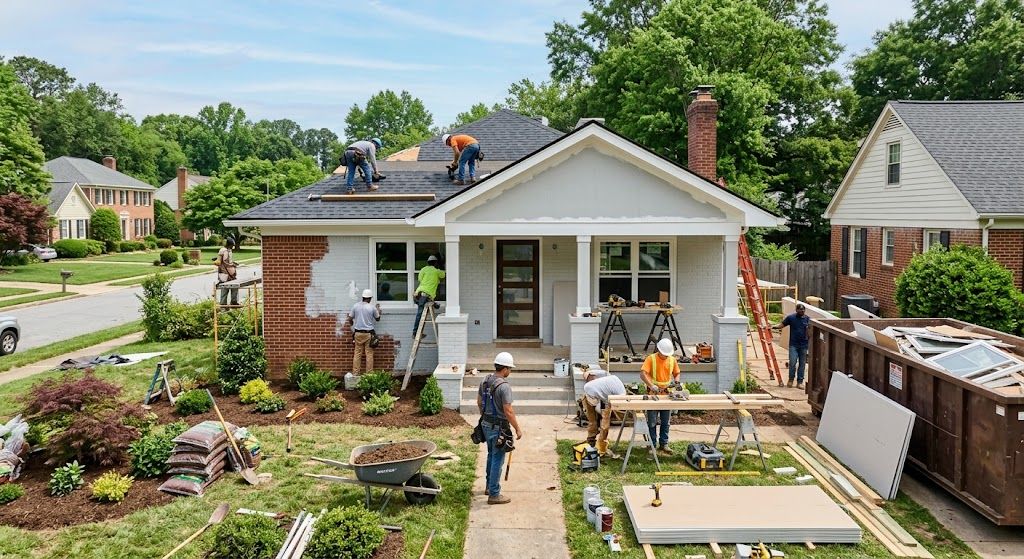
A profitable flip starts with buying the right property at the right price.
The best fix and flip properties usually have:
- Strong demand from buyers in the local market
- A purchase price below potential resale value
- Realistic renovation costs
- A clear improvement strategy
- Favorable comparable home sales
- Enough profit margin to cover unexpected expenses
The goal is not always to find the cheapest property. A low-priced home may require extensive repairs that reduce profitability. Instead, investors should focus on opportunities where the purchase price, renovation budget, and resale value create a realistic path toward profit.
1. Research the Right Real Estate Market
Before searching for houses to flip, investors should understand the market they plan to enter.
A profitable property in one neighborhood may not perform the same way in another. Local buyer demand, property values, employment growth, and neighborhood trends all influence the success of a flip.
Important factors to review include:
- Recent home sales
- Average property prices
- Days on market
- Buyer demand
- Neighborhood development
- Rental demand
- Future growth potential
A detailed real estate market analysis helps investors identify areas where renovation projects have a better chance of producing strong returns.
Our Market Analysis & Underwriting service helps investors evaluate property values, market conditions, projected returns, and potential risks before committing to a purchase.
2. Learn How to Find Houses to Flip
Knowing how to find houses to flip requires more than searching online listings.
While the MLS can provide opportunities, many investors also look for properties through additional channels.
Potential sources include:
- Foreclosure properties
- Inherited homes
- Vacant properties
- Distressed properties
- Expired listings
- Rental properties needing improvements
- Direct seller opportunities
- Investor networks
Finding quality opportunities often requires building relationships and creating a consistent deal pipeline.
Our Deal Sourcing & Property Acquisition service helps investors identify potential investment properties and evaluate opportunities that align with their goals.
3. Calculate the After-Repair Value (ARV)
One of the most important parts of evaluating a flip is determining the property's potential value after renovations.
This is known as the after-repair value (ARV).
ARV helps investors estimate whether a property has enough upside potential to justify the purchase and renovation costs.
When calculating ARV, consider:
- Recently sold comparable properties
- Similar square footage
- Number of bedrooms and bathrooms
- Neighborhood location
- Quality of nearby renovations
- Current buyer expectations
Avoid basing your numbers only on the highest-priced homes nearby. A realistic ARV creates a stronger foundation for making profitable investment decisions.
4. Understand Renovation Costs Before Buying
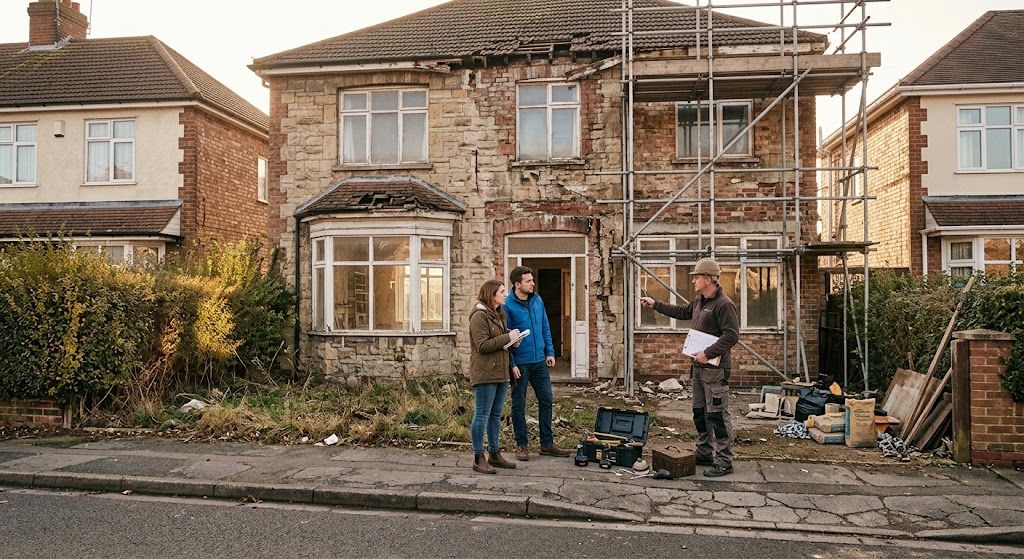
Many investors lose profitability by underestimating renovation expenses.
Before purchasing a property, create a detailed repair estimate that includes:
- Kitchen upgrades
- Bathroom renovations
- Flooring replacement
- Interior and exterior painting
- Electrical improvements
- Plumbing repairs
- Roofing
- HVAC systems
- Landscaping
- Structural repairs
Unexpected issues can quickly increase project costs, so experienced investors also include contingency funds.
Our Renovation Project Management service helps investors manage renovation timelines, coordinate contractors, monitor progress, and keep projects aligned with the investment plan.
5. Use a Smart Investment Formula
Many investors use the 70% rule as a starting point when evaluating potential flips.
The formula is:
Maximum Purchase Price = (ARV × 70%) - Estimated Repair Costs
For example:
- Estimated ARV: $350,000
- 70% of ARV: $245,000
- Repairs: $60,000
Estimated maximum purchase price:
$185,000
However, investors should not rely on this formula alone.
Additional costs may include:
- Financing expenses
- Insurance
- Property taxes
- Utilities
- Permits
- Closing costs
- Selling expenses
A complete analysis provides a much clearer picture of whether a property is truly profitable.
6. Focus on Renovations Buyers Actually Want
Successful house flipping is about creating a property that matches buyer expectations.
Investors should avoid unnecessary upgrades that do not increase value.
Common improvements buyers appreciate include:
- Modern kitchens
- Updated bathrooms
- Open layouts
- Fresh paint
- Durable flooring
- Improved lighting
- Functional outdoor spaces
- Energy-efficient upgrades
The best renovations improve the property's appeal while protecting the investor's profit margin.
7. Build a Strong Funding Strategy
Even after finding a profitable opportunity, investors need a reliable way to fund the purchase and renovation.
Possible funding options include:
- Personal investment funds
- Private lenders
- Hard money loans
- Investment partnerships
- Joint ventures
- Real estate funding programs
Having funding prepared before finding a property allows investors to move faster when the right opportunity appears.
Our Capital & Funding Partnership service helps investors explore potential funding strategies and partnerships designed around real estate investment opportunities.
8. Avoid Common House Flipping Mistakes
Many new investors struggle because they underestimate the complexity of flipping properties.
Common mistakes include:
- Paying too much for a property
- Overestimating resale value
- Underestimating renovation costs
- Choosing the wrong neighborhood
- Ignoring holding costs
- Hiring unreliable contractors
- Over-improving the property
- Rushing the project timeline
A successful flip requires careful planning from acquisition through resale.
9. Get Guidance Before Your First Flip
For beginners, house flipping can involve many unfamiliar decisions.
A first-time real estate investor needs to understand:
- How to evaluate deals
- How to analyze property numbers
- How to estimate repairs
- How to manage contractors
- How to prepare for resale
Working with experienced professionals can help investors avoid expensive mistakes and build confidence.
Our First-Time Investor Program provides guidance for new investors who want to understand the process of finding, evaluating, and completing their first investment property.
For investors who want ongoing support, our Real Estate Flipping Mentorship & Coaching service provides personalized guidance on strategy, deal analysis, acquisition, renovations, and scaling a flipping business.
Create a Better Strategy for Finding Profitable Houses to Flip
Finding profitable houses to flip requires more than searching for discounted properties. Successful investors combine market knowledge, accurate financial analysis, smart acquisition strategies, and efficient renovation management.
With the right approach, investors can identify stronger opportunities and make better decisions before committing time and capital.
Our team provides support through:
- Real Estate Flipping Mentorship & Coaching
- Deal Sourcing & Property Acquisition
- Market Analysis & Underwriting
- Renovation Project Management
- Capital & Funding Partnership
- First-Time Investor Program
Ready to Find Your Next Investment Opportunity?
Start evaluating potential flip opportunities with a strategy built around real numbers, smart acquisition, and professional guidance.
Schedule a consultation today to learn how our team can help you find, analyze, and execute your next real estate investment project.