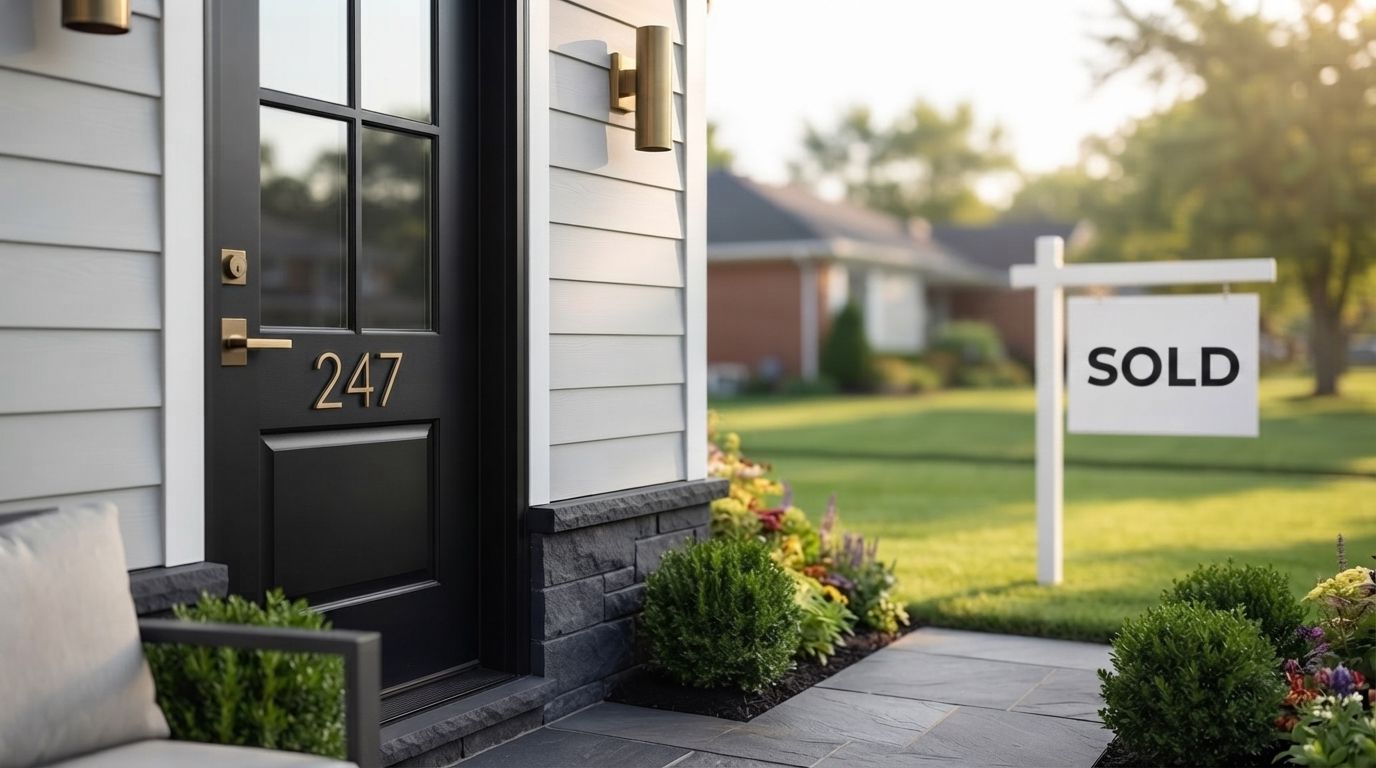
How to Reduce Risk When Flipping Houses
Flipping houses can be a profitable real estate strategy, but every project comes with financial, renovation, and market risks. Successful investors know that reducing those risks starts long before the first renovation begins.
Careful property selection, accurate budgeting, proper financing, and a clear exit strategy can help protect your investment and improve your chances of earning a strong return.
Whether you are planning your first flip or looking to grow your investment portfolio, understanding how to reduce risk when flipping houses can help you make more informed decisions.
Research the Local Market Before Buying

One of the biggest mistakes investors make is purchasing a property without fully understanding the local real estate market.
Before making an offer, review recent comparable sales, average days on market, neighborhood trends, buyer demand, and the condition of similar homes that recently sold.
Important factors to review include:
- Recent sales of renovated properties
- Average price per square foot
- Neighborhood inventory
- Property taxes
- Local buyer demand
- Expected resale value
Professional Market Analysis & Underwriting can help you evaluate a property's potential value, estimated costs, and projected profitability before committing your money.
Find the Right Property at the Right Price
A successful flip often depends on how well you buy the property.
Paying too much at the beginning can leave little room for renovation costs, holding expenses, or unexpected repairs.
Using Deal Sourcing/Property Acquisition services can help investors identify potential opportunities, evaluate distressed properties, and locate deals that fit their investment goals.
When considering a property, look beyond the purchase price. Evaluate its condition, location, renovation requirements, resale potential, and overall investment margin.
Create a Conservative Budget
Accurate budgeting is essential when flipping houses.
Your total investment should include more than the property purchase price. Make sure your projections account for:
- Renovation costs
- Financing expenses
- Property taxes
- Insurance
- Utilities
- Permits
- Closing costs
- Real estate commissions
- Property maintenance
- Unexpected repairs
Set Aside Money for Unexpected Expenses
Even a well-inspected property can reveal unexpected issues once renovations begin.
Older plumbing, electrical problems, structural repairs, water damage, or material price increases can quickly affect your budget.
Consider setting aside approximately 10% to 20% of your renovation budget as a contingency fund. This gives you additional protection if unexpected expenses arise.
Inspect the Property Before You Commit
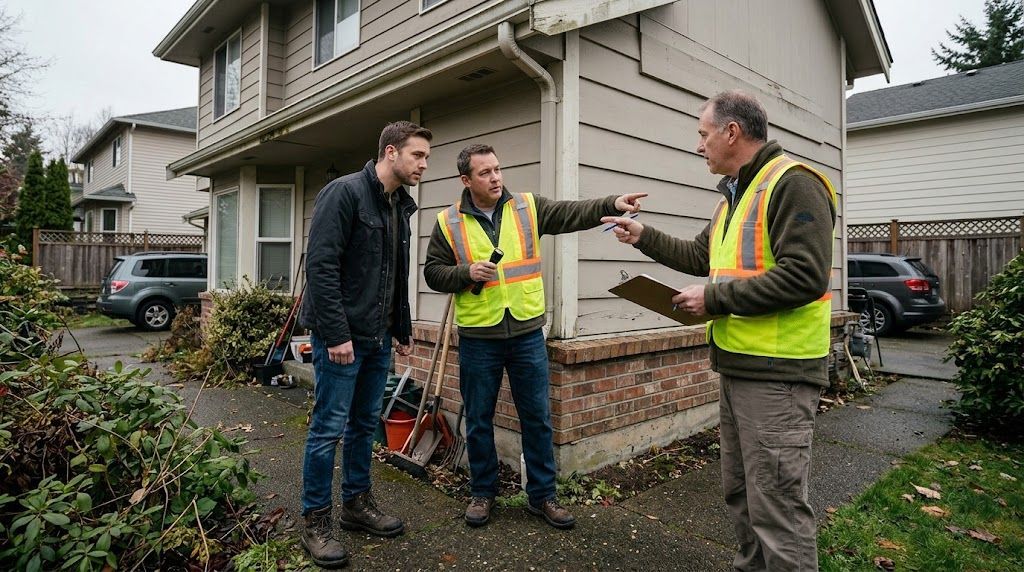
Skipping inspections can turn what appears to be a profitable deal into an expensive problem.
Before purchasing a property, carefully evaluate major components such as:
- Roof
- Foundation
- Electrical system
- Plumbing
- HVAC
- Drainage
- Moisture damage
- Mold
- Structural issues
- Pest damage
Knowing the actual condition of the property makes it easier to estimate renovation expenses and determine whether the deal still makes financial sense.
Avoid Spending Too Much on Renovations
Over-improving a property is another common house flipping mistake.
Your renovation choices should match the neighborhood and the expectations of your target buyer. Expensive upgrades do not always produce an equal increase in resale value.
Focus your budget on improvements that typically have strong buyer appeal, such as:
- Kitchens
- Bathrooms
- Flooring
- Interior and exterior paint
- Lighting
- Landscaping
- Curb appeal
- Necessary repairs
The goal is to create a desirable property without spending more than the local market can support.
Keep Renovations Organized
Construction delays can increase your holding costs and reduce your expected profit.
Professional Renovation Project Management can help coordinate contractors, materials, timelines, inspections, and project budgets throughout the renovation.
Before work begins, establish clear expectations regarding:
- Scope of work
- Contractor responsibilities
- Material selections
- Project deadlines
- Payment schedules
- Permit requirements
- Change orders
Consistent project management can help keep your renovation moving while reducing costly delays.
Understand Your Financing Costs
Financing can significantly affect the profitability of a house flip.
Hard-money loans, private lending, traditional financing, and cash purchases all have different costs and requirements. Investors should calculate interest, fees, holding expenses, and repayment timelines before moving forward.
A Capital/Funding Partnership can provide another option for qualified investors who need support funding property acquisitions or renovation projects.
The longer a property remains unfinished or unsold, the more carrying costs can reduce your expected return.
Have More Than One Exit Strategy
Not every flip sells as quickly or at the price originally expected.
Before buying, decide what you will do if the market changes or renovation costs increase.
Possible exit strategies include:
- Selling the renovated property
- Renting the property
- Refinancing and holding it
- Selling before all renovations are complete
- Selling the property as-is
- Selling directly to another investor
Having multiple exit strategies gives you more flexibility when a project does not go exactly as planned.
Learn From Experienced Investors
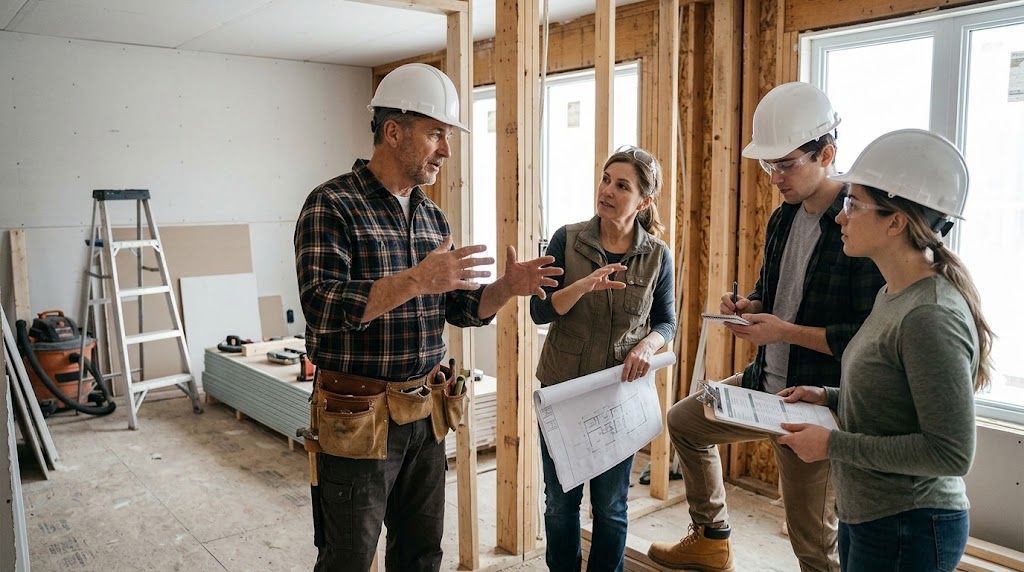
House flipping has a steep learning curve, and mistakes can be expensive.
Real Estate Flipping Mentorship/Coaching can help investors better understand deal evaluation, financing, renovations, negotiations, and exit strategies while learning how to approach each project more strategically.
Working with experienced professionals can be especially valuable when you are still developing your investment process.
Start With a Strong Plan as a First-Time Investor
New investors often face several challenges at once, from finding a property to estimating repairs and securing funding.
A structured First-Time Investor Program can help new investors better understand each stage of the flipping process and make more informed decisions from the beginning.
Build a Repeatable Investment Process
Instead of treating every flip differently, create a consistent process for:
- Finding potential properties
- Reviewing market data
- Estimating repairs
- Calculating potential returns
- Securing financing
- Managing renovations
- Preparing the property for resale
- Planning exit strategies
A repeatable system makes it easier to identify potential problems early and reduce unnecessary risk.
Reduce Risk With a Clear Investment Strategy
Reducing risk when flipping houses comes down to preparation. Research the market carefully, evaluate properties before buying, create conservative budgets, control renovation expenses, secure appropriate funding, and maintain more than one exit strategy.
The goal is not simply to renovate a property. It is to make smarter investment decisions that protect your capital while giving each project room to remain profitable.
Get Support for Your Next Real Estate Investment
Whether you are preparing for your first flip or growing an existing portfolio, professional guidance can help you approach each investment with a stronger strategy.
Schedule a consultation to discuss your investment goals, potential property opportunities, and the services that can help you move forward with greater confidence.
Phone:
(401) 316-7300