How Data-Driven Acquisitions and Premium Renovations Unlock Maximized Property Value
In traditional real estate investing, house flipping is often treated like a gamble: buy a home, hope contractors finish on budget, and pray the market holds until closing. But achieving consistent, high-margin profits requires shifting from guesswork to precision engineering.
By uniting data-driven acquisitions, premium renovations, and rapid market turnarounds, modern real estate platforms eliminate unnecessary risk while unlocking maximized property value.
Whether you are a homeowner seeking to capture maximum equity from your home without taking on repair bills, or an investor looking for capital-protected joint ventures, here is how this four-pillar flipping model works.
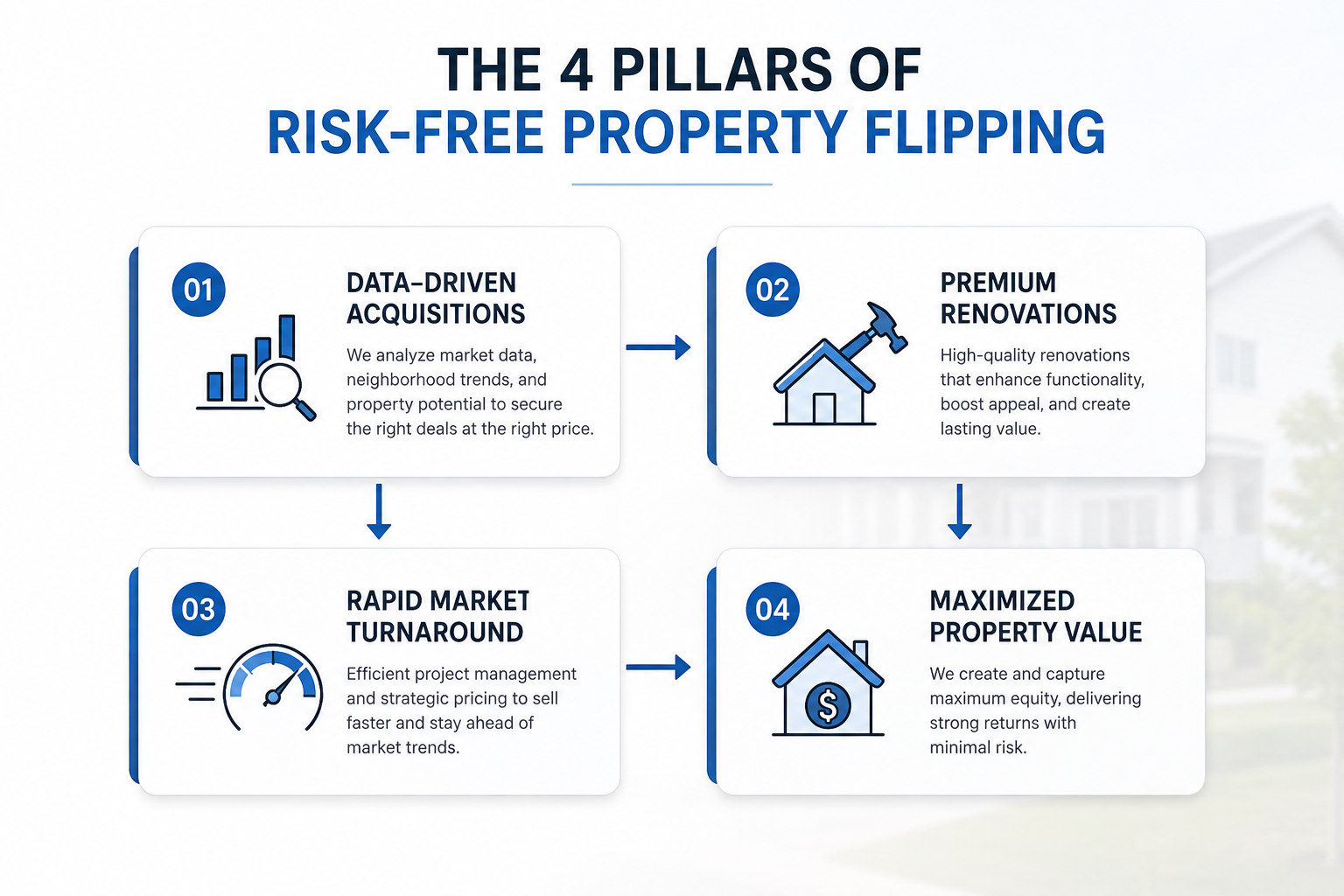
1. Data-Driven Acquisitions
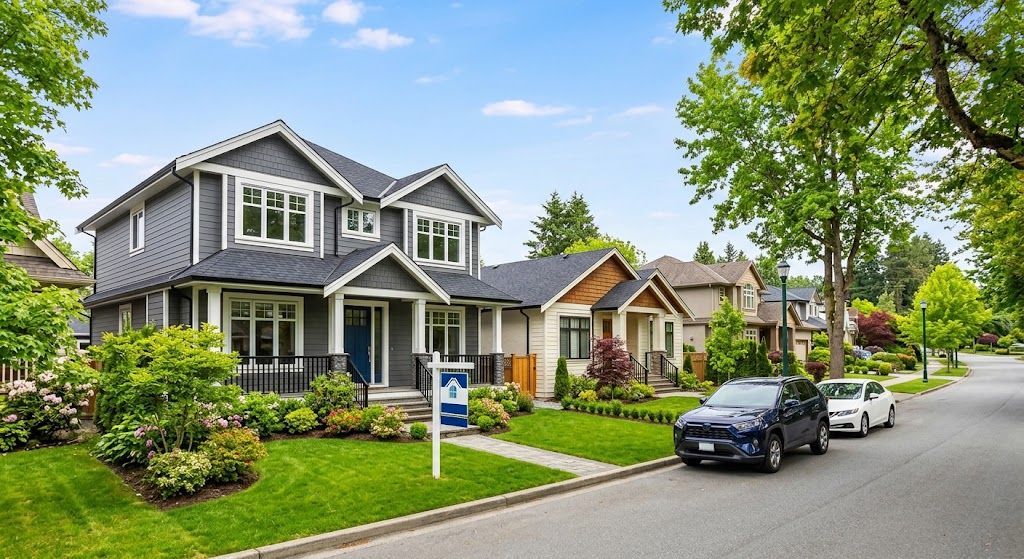
Profitable flips are won at the purchase table. Using algorithmic market analysis, hyper-local comparative market analysis (CMA), and historical price-trend data, properties are identified where the gap between current condition and potential After Repair Value (ARV) offers guaranteed upside.
- Targeted Neighborhood Analytics: Analyzing buyer demand velocity, school district ratings, and local price-per-square-foot trends.
- Risk-Adjusted Buying: Buying below market threshold to create a financial safety buffer against broader market fluctuations.
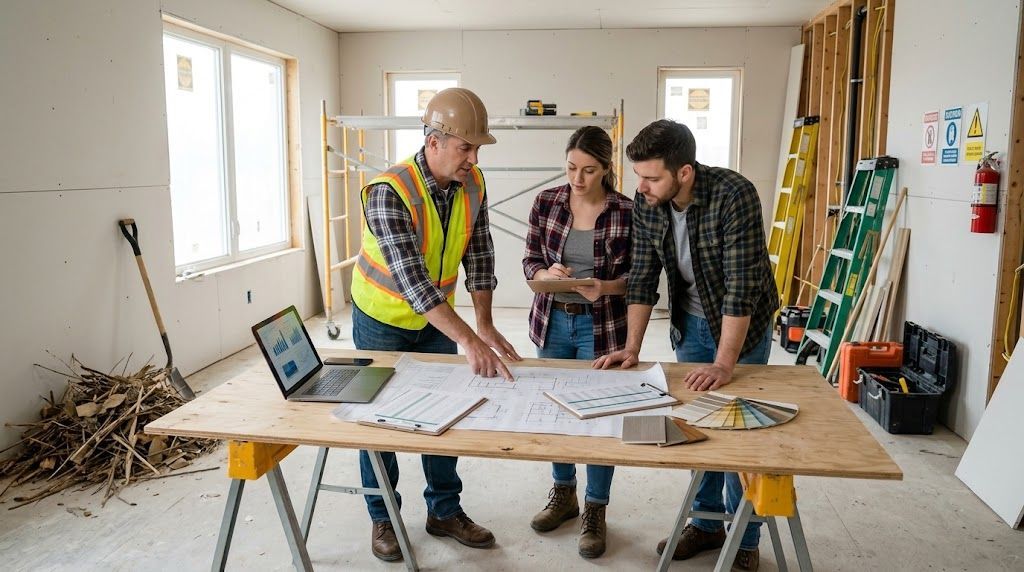
2. Premium Renovations
Low-quality "lipstick on a pig" remodels no longer yield top-tier returns. Today’s home buyers demand high-end finishes, open-concept floor plans, and functional modernization.
- Strategic Capital Allocation: Focusing renovation dollars on high-ROI zones—primarily kitchens, primary bathrooms, modern flooring, and exterior curb appeal.
- Vetted Contractor Networks: Utilizing dedicated, pre-vetted construction crews to keep material costs down and prevent expensive budget overruns.
3. Rapid Market Turnaround
In real estate, time is money. Every extra day a property sits under construction accumulates holding costs, including hard money interest, insurance, property taxes, and utility bills.
- Optimized Construction Pipelines: Scheduling trade specialists sequentially (framing, electrical, plumbing, dry-walling) eliminates idle job site days.
- Pre-Staged Marketing Launch: Preparing high-definition listing photos, 3D walkthroughs, and pre-market exposure before construction finishes to secure buyers immediately upon completion.
4. Maximized Property Value
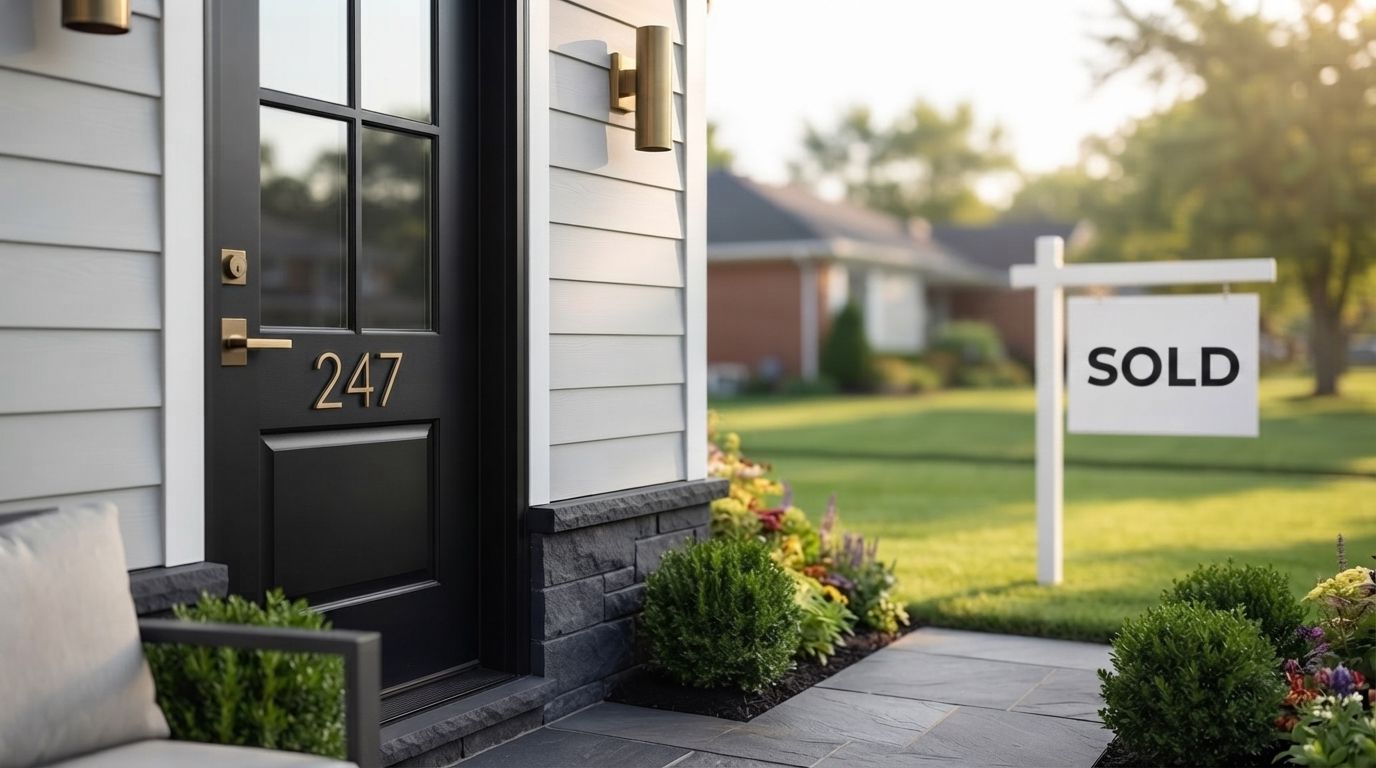
When data-driven sourcing, premium craftsmanship, and rapid execution align, the result is simple: peak market valuation. The property commands top-of-market pricing, generates competitive buyer interest, and closes swiftly.
How Homeowners and Investors Profit from This Model
For Distressed or Aging Property Owners
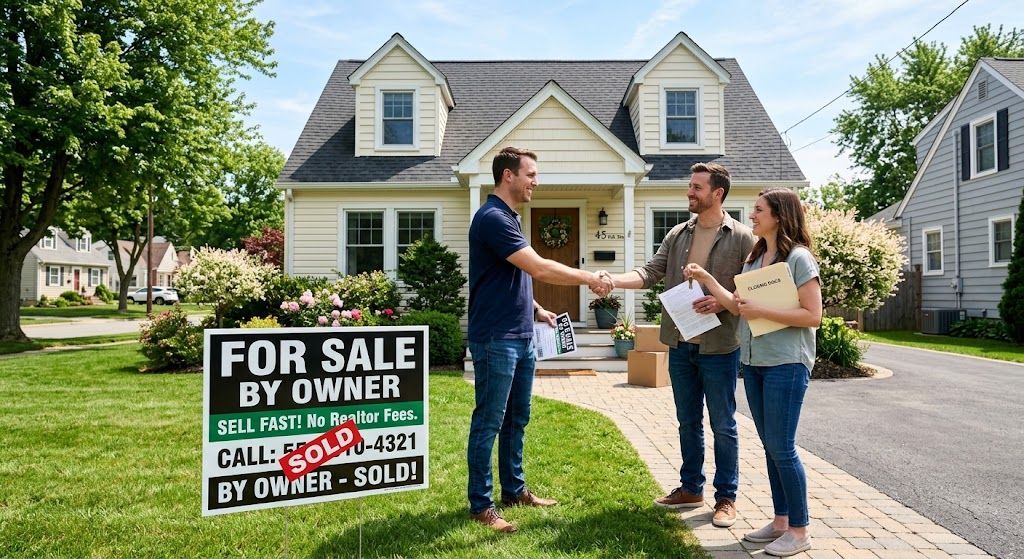
If you own a home that needs major modernizing, you don't have to sell to a bargain-hunting wholesaler at a deep discount. Through a co-flipping partnership model:
- The operator funds 100% of the premium renovations.
- The team manages the rapid market turnaround.
- You share in the maximized property value generated at final closing.
For Capital & Real Estate JV Partners
Passive investors benefit from
data-driven acquisitions that prioritize capital preservation. Funds are secured directly by high-value real estate assets, backed by experienced project managers who absorb construction risks.
Frequently Asked Questions
What does "data-driven acquisitions" actually mean?
It means property purchases are backed by deep real estate analytics—evaluating historical sales trends, neighborhood migration patterns, inventory levels, and material-to-ARV ratios—rather than relying on subjective estimates.
Why is rapid market turnaround so critical in house flipping?
Holding costs (interest, insurance, taxes, site security) compound daily. Cutting renovation and sales timelines in half directly preserves profit margins and protects the project against market fluctuations.
Do homeowners need to pay upfront for premium renovations?
No. Under a structured joint-venture flip model, the operating partner covers 100% of the renovation costs and labor management, recovering those expenses only after the home sells at its maximized value.